Continuity Editing Introduction
My Ideas
In my group, we decided to create a a story based upon the brief but make it a lot more in depth with a much more exciting and intense story and theme. Our story is based upon the kidnapping of a person and the interrogation of him because of an unknown purpose, the reason we left this unknown is because it leaves the story ambiguous and for the audience to create their own story in their head, this means that they automatically side with the victim in the situation but are unsure why. This leaves them feeling the intensity and the suspense of the scene. Our idea is set in an empty vacant room in a building of which the audience doesn't know, the reason I chose this is because it leaves the room without any emotion, therefore the audience cannot find anything to liven up the mood of the scene.
That is the general plot of the story and I think that it is good at creating a a dramatic and suspense filled scene, This is because the scene is based upon a situation in which most people aren't familiar with, it sets an uncomfortable situation for people when watching especially considering that it could happen to anyone, which sort of builds up suspense as the audience feels as though it can happen to them as well.
 Throughout the scene we made sure to include a lot of different editing techniques, for example we made sure to follow the 180 degree rule, match on action as well as shot-reverse-shot. The 180 degree rule states that during a scene the camera should not cross the line of vision once and any movements should be made only on one side of it. This is because it helps to stop the audience feeling confused when they are watching the scene. For example we included a match on action shot. This is two clips that are synced together to cut during motion, while still looking as though it is realistic. This means that the shots have to be cut very precisely so that the edit is almost seamless. We decided to this with the door opening on the outside and the cutting to the inside view.
The first two are used because it stops the audience from getting confused when watching. The shot-reverse-shot has been used throughout our project about half way through to show the conversation between the interrogator and the hostage. This shot will help the audience because it will help show both peoples responses and/or reactions during a specific moment of the scene.
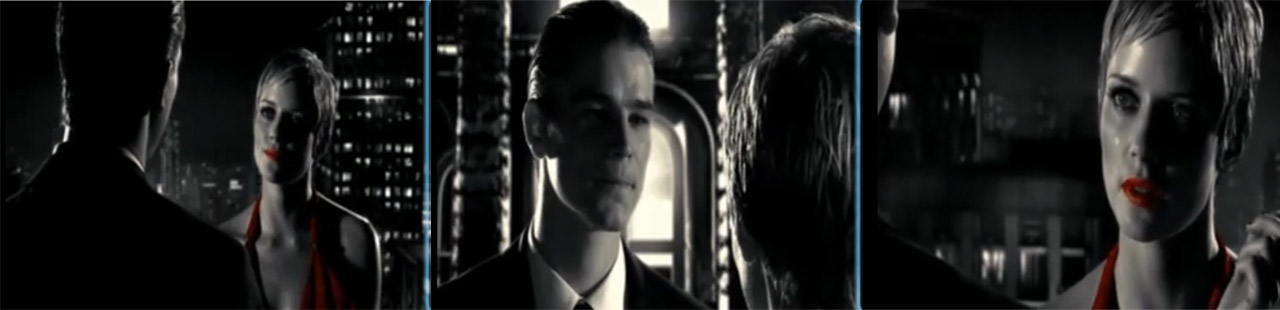
 Another key rule that we used was the rule of thirds. This rule is used to correctly align all of the participating actors in the scene so that they appear correctly on the screen. Almost always should the eyes match the line of the top third of the screen. This is to help stop the audience from feeling confused about the character and their size during the scene. In addition to this depending on whether the shot is supposed to be of the ground or the sky the horizon is made to match the rule of thirds. If it is a shot of the sky the horizon will be on the one third up the screen and if the shot is of the ground the horizon meets two thirds up the screen.
 |
| Example showing how empty the room is. |
Throughout the scene we made sure to include a lot of different editing techniques, for example we made sure to follow the 180 degree rule, match on action as well as shot-reverse-shot. The 180 degree rule states that during a scene the camera should not cross the line of vision once and any movements should be made only on one side of it. This is because it helps to stop the audience feeling confused when they are watching the scene. For example we included a match on action shot. This is two clips that are synced together to cut during motion, while still looking as though it is realistic. This means that the shots have to be cut very precisely so that the edit is almost seamless. We decided to this with the door opening on the outside and the cutting to the inside view.Another key rule that we used was the rule of thirds. This rule is used to correctly align all of the participating actors in the scene so that they appear correctly on the screen. Almost always should the eyes match the line of the top third of the screen. This is to help stop the audience from feeling confused about the character and their size during the scene. In addition to this depending on whether the shot is supposed to be of the ground or the sky the horizon is made to match the rule of thirds. If it is a shot of the sky the horizon will be on the one third up the screen and if the shot is of the ground the horizon meets two thirds up the screen.
No comments:
Post a Comment